Whatever faceless lane you’re in, the crew adapts — tone, art style, pacing and sound tuned to your genre. The writers’ room matches your voice, the art director matches your look, and your recurring cast stays consistent across a whole series.
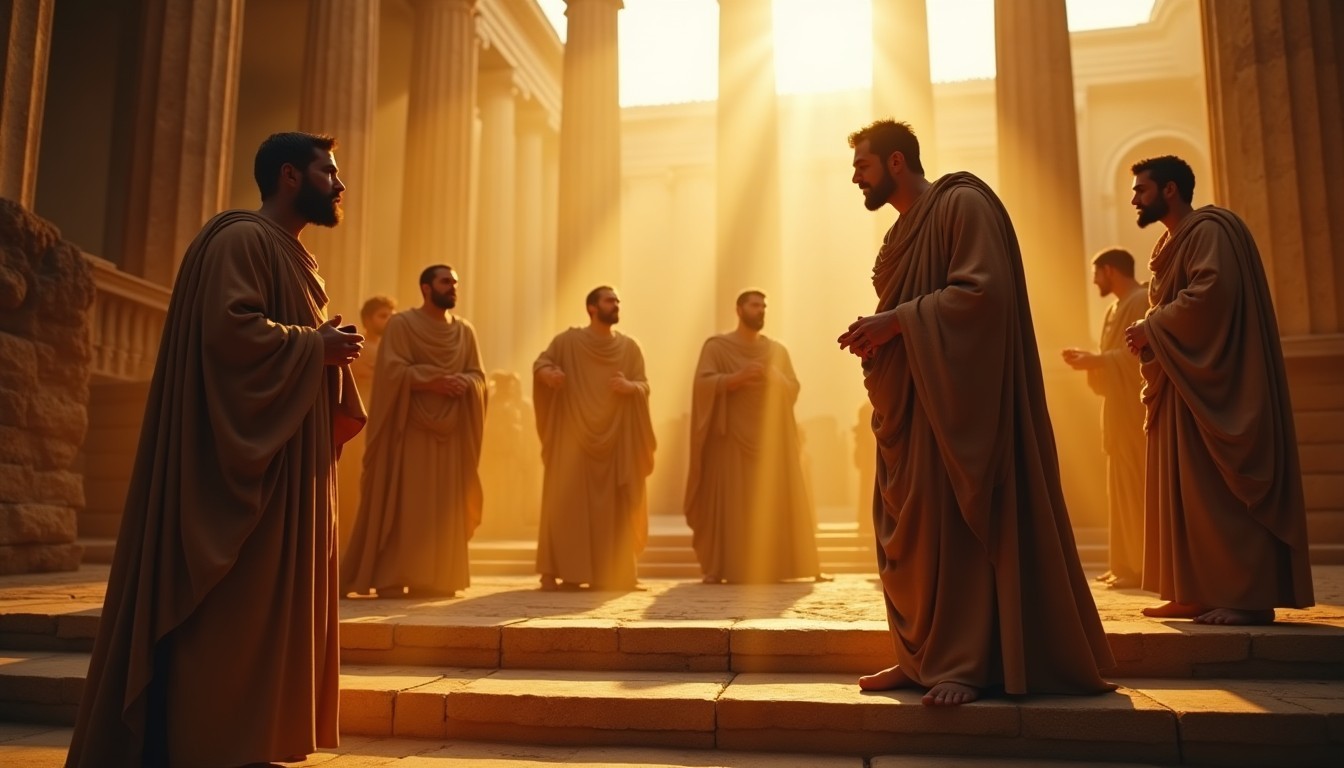
“The rise and fall of…” is your bread and butter — and the crew treats it like a period piece. The art director holds a consistent look across the whole era, from a Roman forum to an Egyptian tomb, so a 20-minute deep-dive never breaks its spell. Recurring figures stay recognizable and can be aged across a timeline, so the emperor in scene two is unmistakably the same man in scene forty.

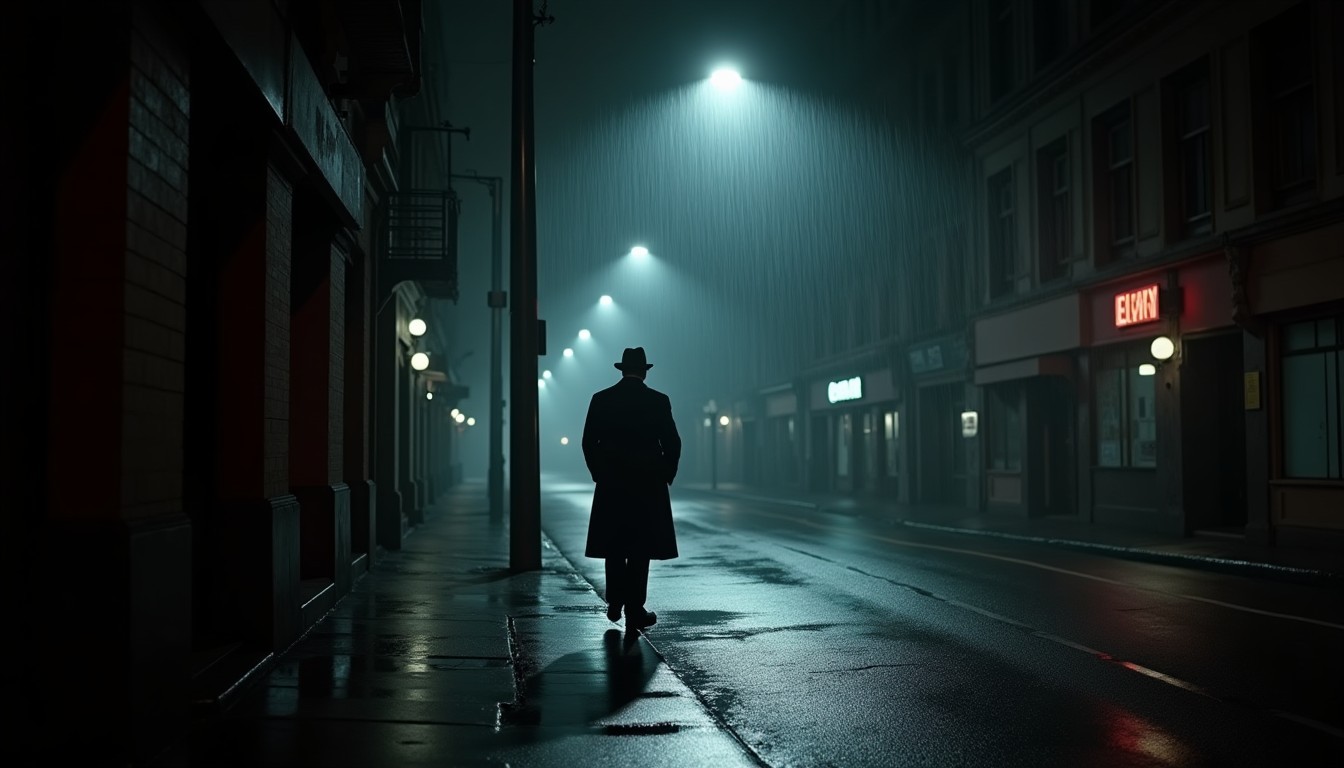
Walk a case start to finish and keep every face straight. Recurring suspects and victims stay recognizable from the first scene to the verdict, so viewers never lose the thread. The art director leans into moody reconstructions — a rain-slick street, a last-known location — and the storyboard artist pitches the evidence-board detail shots that make a timeline feel real. Sober narration pacing, built for retention.

Whether it’s the edge of a black hole or the surface of a distant world, the art director paints awe-scale visuals that earn the “whoa.” The writers’ room keeps the big ideas honest and easy to follow, and the narration pacing gives each concept room to land instead of racing past it. Explainers that feel enormous and still make sense.

Lighthouses, dark forests, the story nobody can explain — atmosphere-first visuals and a slow-burn pace that keeps people guessing.
Empires built and busted, from a garage to Wall Street. Clean, confident visuals and narration that makes big numbers land.
The wolf, the wild, the food chain. Sweeping natural imagery with a documentary calm that lets the world speak.
“How X actually works.” Clear visual metaphors, tight pacing, and a payoff that makes the viewer feel smarter.
An argument that builds. The writers’ room structures the case; the art director gives every beat its own image.
Countdowns that don’t drag. Each entry gets its own distinct look, timed to the narration so the ranking snaps.
Retellings and true tales with recurring characters that stay consistent from opening line to final scene.
Punchy narration over striking, high-contrast visuals and a rising score — the kind that gets watched twice.
The writers’ room reads the room — a sober true-crime timeline, a wide-eyed space explainer, a punchy top-10. The hook, the beat length and the payoff all shift to fit the genre you’re making.
The art director sets a look and holds it: warm period tones for history, cold neon for a mystery, clean cosmic scale for science. Every scene in a video belongs to the same world.
The sound designer matches the mood — distant thunder for a mystery, a bustling floor for business, quiet awe for space — placing beds and one-shots exactly where the narration needs them.
The casting director and location scout lock your people and settings so a series stays coherent — same face aged across a timeline, same courtroom or skyline, video after video.
This makes narrated video — voiceover over visuals. It does not do dialogue-driven films, animation with talking characters, or lip-sync. If you’re not filming your own face and your video is narration over visuals, it’s built for you. If your idea needs characters speaking their lines on screen, that’s a different kind of tool — and that’s okay.
Pick your lane, bring an idea, and watch a whole crew build it around you — tuned to your genre from the first scene.
Start free — no card →